Cold brew vs hot brew coffee: which is better
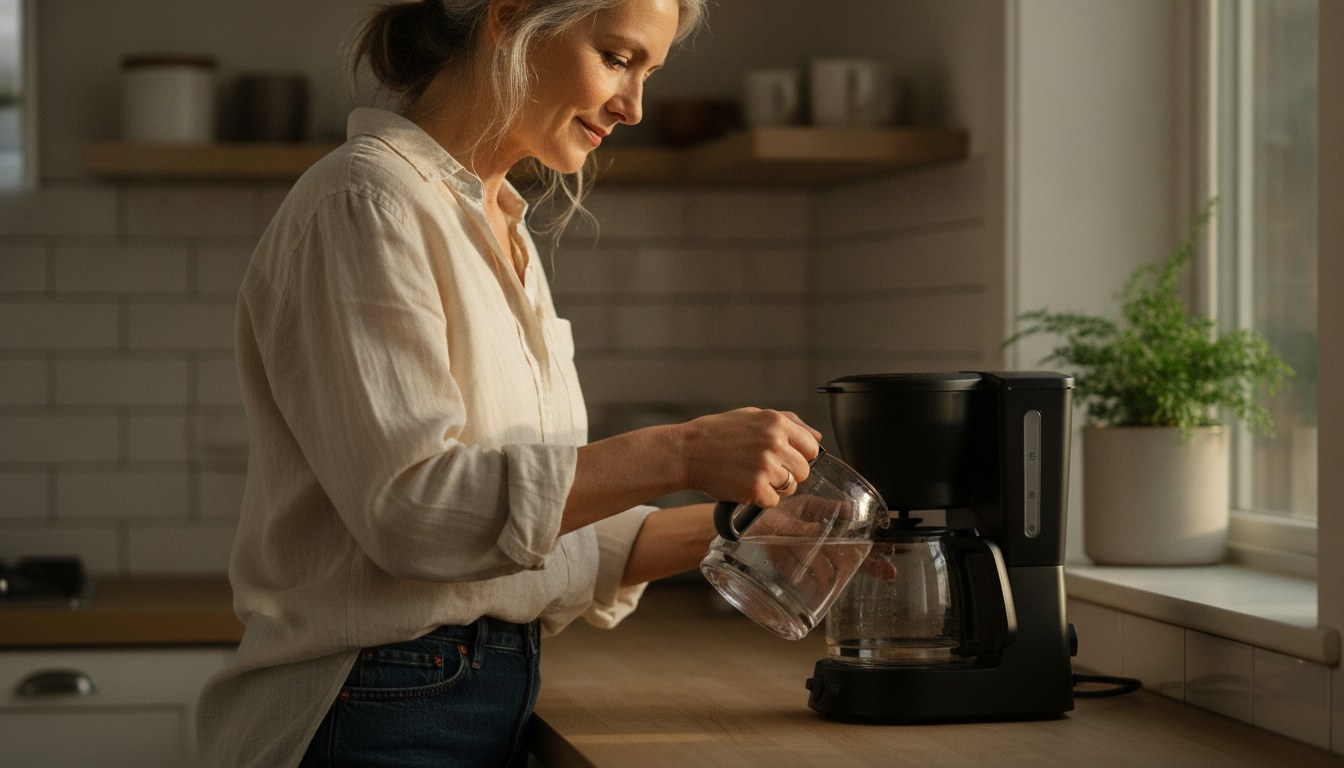
Coffee arguments rarely get resolved, and this one is closer to a physics debate than a taste test. Two brewing methods, same beans, wildly different water temperature - and that single variable changes more about the final cup than most people assume. Deciding between them mostly means picking which trade-offs fit your morning: five rushed minutes with hot water, or half a day of patience for a milder, slow-steeped batch.
Cold brew vs hot brew coffee is a chemistry question: hot brewing pulls more acid and antioxidants from the grounds, while cold brewing extracts less of both over a much longer soak. Neither is objectively stronger or healthier - the right pick depends on how sensitive your stomach is and how much time you have.
| Spec | Cold brew | Hot brew |
|---|---|---|
| Brew time | 12-24 hour steep, no heat needed | 3-5 minutes with hot water |
| Titratable acid load (Scientific Reports, 2018) | Lower across all origins tested | Higher across all origins tested |
| Antioxidant activity (mmol Trolox/L) | 13.36-17.45 | 18.34-20.72 |
| pH of finished brew | 4.96-5.13 | 4.85-5.10 |
| Caffeine, as typically diluted before drinking | Comparable to a hot brewed cup | Comparable to diluted cold brew |
| Caffeine, undiluted concentrate vs finished cup | Higher per ounce than drip coffee | Brewed directly to drinking strength |
| Equipment needed | Steeping pitcher or cold brew maker, no power | Drip machine, pour-over, or French press |
| Quick Facts | |
|---|---|
| pH range, cold brew (Scientific Reports, 2018) | 4.96-5.13 |
| pH range, hot brew (Scientific Reports, 2018) | 4.85-5.10 |
| Antioxidant activity, cold brew | 13.36-17.45 mmol Trolox/L |
| Antioxidant activity, hot brew | 18.34-20.72 mmol Trolox/L |
| Caffeine in an 8 fl oz hot brewed cup (FDA) | 80-100 mg |
| FDA daily caffeine guidance for healthy adults | about 400 mg/day |
| Drip machines, share of past-day coffee prep (NCA, 2025) | 38% |
Cold brew vs hot brew coffee: what actually separates them
Cold brew steeps coffee grounds in cool or room-temperature water for half a day or longer, while hot brew forces near-boiling water through the grounds in a few minutes, and that temperature gap changes what actually dissolves into the cup.
Shopping for a specific model? See our full coffee maker roundup — 10 models compared on the specs that decide it.
Every brewing method is really just an extraction problem. Water needs to pull sugars, acids, oils, and aromatic compounds out of ground coffee, and how fast that happens depends almost entirely on temperature. Hot water is a more aggressive solvent. It grabs flavor compounds fast, which is why a drip machine or pour-over can turn grounds into a finished cup in under five minutes.
Cold or room-temperature water does the same job much more slowly, so cold brew methods make up for lost speed with time - usually somewhere between twelve and twenty-four hours steeping in a pitcher, jar, or dedicated cold brew maker. The trade-off in a cold brew vs hot brew coffee comparison is about which compounds get pulled out in what proportion. That's a chemistry question, and the peer-reviewed data below gives it a documented answer.
Is cold brew actually less acidic than hot coffee
Peer-reviewed testing found cold brew and hot brew land at nearly the same pH, but hot brew pulls out more titratable acid and more antioxidant compounds than cold brew - the opposite of what most marketing implies.
Cafes love the line that cold brew is dramatically gentler on the stomach, and there's a real effect behind it, just not the one usually claimed. A 2018 study in Scientific Reports tested six light-roast origins brewed both ways and measured pH directly instead of guessing. Cold brew samples came in at pH 4.96 to 5.13, hot brew samples at pH 4.85 to 5.10 - close enough that the difference is basically noise.
Where the two methods actually diverged was titratable acidity, the measure of how much acid is present regardless of pH, and antioxidant activity. Hot brew scored higher on both. The researchers' explanation is that heat extracts more non-deprotonated acids and phenolic compounds than a slow cold steep does, which is the reverse of the popular claim that cold brew is drastically less acidic.
None of that means cold brew feels the same in your stomach as hot coffee - plenty of people report otherwise, and lower titratable acid can still matter for comfort even when pH barely moves. It just means the acidity side of any cold brew vs hot brew debate is messier than the marketing suggests.
Is cold brew stronger than hot coffee
Cold brew concentrate has more caffeine ounce for ounce than drip coffee, but once it's diluted to normal drinking strength - which is how most people actually serve it - the caffeine content lands close to a regular cup of hot brewed coffee.
This is where a lot of the confusion in the cold brew vs hot brew coffee caffeine debate starts. Cold brew concentrate is brewed at a much higher coffee-to-water ratio than drip coffee, so undiluted, it genuinely carries more caffeine per ounce than a standard drip brew. Hot water also extracts caffeine efficiently in just a few minutes, and FDA data puts a standard 8-fluid-ounce cup of hot brewed coffee at about 80 to 100 milligrams of caffeine.
The catch is that almost nobody drinks cold brew concentrate straight. Most people cut it with water, milk, or ice at something close to a 1:1 ratio before drinking it, which brings the caffeine per serving back down into roughly the same range as a hot brewed cup. So the honest answer to whether cold brew is stronger than hot coffee is: the concentrate is, the drink usually isn't, and the FDA's general guidance of about 400 milligrams a day for most healthy adults applies either way.
Flavor, roast, and what actually shows up in the cup
Hot brewing releases more of the volatile aromatic compounds that make coffee smell complex and taste bright, while cold brewing produces a mellower, rounder cup with less of that top-note aroma.
Aroma is mostly volatile compounds that evaporate at higher temperatures, so hot brewing releases a lot more of them into both the steam and the cup. That's part of why a fresh pour-over can smell almost floral or fruity depending on the roast, while a glass of cold brew smells comparatively quiet even though it tastes plenty flavorful once you drink it.
Roast choice matters more than people assume for either brewing style. The Scientific Reports study used light roasts specifically, which tend to carry more of the acids that show up in that acidity data - a lot of home cold brewers lean toward medium or dark roasts instead, chasing a rounder, chocolatey, lower-acid profile that stacks the deck even further in cold brew's favor. There's no rule against cold brewing a light roast or hot brewing a dark one; it just shifts what you're tasting.
Picking your method - and the gear that goes with it
Hot brew fits a drip machine, pour-over, or French press for a fast daily cup, while cold brew needs a steeping pitcher or dedicated cold brew maker and some advance planning.
If your mornings run tight, hot brew wins that side of the cold brew vs hot brew coffee decision on logistics alone - it's ready in minutes and works with equipment most kitchens already have. Our pot coffee maker guide covers the drip machines built for exactly that kind of daily brewing, from basic carafes to models with programmable start times.
Cold brew asks for patience instead of speed: grounds, cool water, and somewhere between half a day and a full day of steeping before you strain anything. A dedicated pitcher with a built-in filter makes that a lot less messy than winging it with cheesecloth, and our cold brew coffee maker guide breaks down the pitcher and filter styles that handle that steep without leaking or clouding the batch.
If you're still deciding which brewing style fits your routine at all, it's worth stepping back and comparing the full range of machines rather than committing to one method first. Our best coffee maker roundup lines up drip, espresso, and single-serve options side by side so you can match the machine to how you actually drink coffee, not the other way around.
What neither method actually fixes
Switching between cold brew and hot brew won't fix bad beans, a stale grind, or genuine caffeine sensitivity - the brewing method changes proportions, not the underlying ingredients.
What you brew with still sets the ceiling. Bean quality and grind freshness affect the final cup more than brewing temperature does, and neither method can rescue coffee that's been sitting ground in a bag for a month.
Cold brew isn't inherently 'healthier' either - the antioxidant data actually runs the other way, favoring hot brew - so treat it as a flavor and caffeine-timing choice rather than a wellness upgrade. And if caffeine itself is the issue, brewing method won't solve that: the FDA's 400-milligram daily guidance for healthy adults applies whether the coffee arrived hot or cold, and people who are sensitive to caffeine will feel it either way. That's especially true for people using either brew as a base for lattes or iced drinks - the milk, syrup, or ice added afterward usually changes the caffeine-per-cup math more than the original brewing method did.
Neither method is objectively better - the chemistry actually shows hot brew pulling out more acid and antioxidants than cold brew, which undercuts the 'gentler on your stomach' marketing pitch even though pH ends up nearly identical either way. Pick hot brew for speed and aromatic complexity, and cold brew for a mellow, low-drama concentrate that keeps in the fridge for later.
Frequently asked questions
Does cold brew have more caffeine than a cup of drip coffee?
Is cold brew easier on your stomach than hot coffee?
Can you make cold brew in a regular drip coffee maker?
How long does cold brew last in the refrigerator?
Why does cold brew taste so different from hot coffee made with the same beans?
Is cold brew basically the same thing as iced coffee?
Sources & references
- Acidity and Antioxidant Activity of Cold Brew Coffee — Scientific Reports (Springer Nature), via PMC
- Spilling the Beans: How Much Caffeine is Too Much? — U.S. Food and Drug Administration
- Cold Coffee Ruled This Summer, New NCA Market Report Finds — Daily Coffee News, reporting National Coffee Association survey data