Best External Hard Drives of 2026: 10 Compared

Storage decisions feel boring until the moment a laptop dies and a folder of irreplaceable photos goes with it. Across the ten external drives compared here, the split is stark: spinning HDDs that pile on terabytes cheaply, and solid-state drives built for speed and rough handling. Knowing which camp your work belongs in settles most of the choice before you ever look at a spec sheet.
External storage sounds like a one-size purchase, but the ten drives in this lineup pull in two directions. On one side sit portable hard drives like the Seagate Portable 2TB and the WD 6TB Elements, which lean on roomy capacity and connect over USB 3.0 or USB 3.2 Gen 1. On the other side are solid-state options such as the Samsung T7, Samsung T9, and Sandisk Extreme, where NVMe internals push read and write speeds far past what spinning platters manage. Your workload decides which side wins. To assemble this guide, we gathered current Amazon specifications, product imagery, and listings for ten of the most relevant external drives, then compared and ranked them on real capability, value, and how cleanly each fits a common job. Capacity ranges from 1TB up to a world-first 6TB in a 2.5-inch portable shell. Weights swing from featherweight SSDs to chunkier high-capacity HDDs. Read on for the picks at a glance, the full breakdown, and an honest look at where each drive earns its place.
The short version: The Seagate Portable 2TB External Hard Drive HDD takes the top spot for its drag-and-drop simplicity, no-software setup, and PC/Mac/PlayStation/Xbox compatibility. For the smallest outlay, the Toshiba Canvio Basics 1TB Portable External Hard Drive is the best value, with plug-and-play use and a matte, smudge-resistant shell.
- The Seagate Portable 2TB External Hard Drive HDD ranks first for plug-and-play backup with no software required and PC, Mac, PlayStation, and Xbox support.
- The Toshiba Canvio Basics 1TB Portable is the budget pick, plug-and-play with a matte, smudge-resistant finish and no AC power cord needed.
- The Samsung T7 Portable SSD leads the premium tier with PCIe NVMe speeds up to 1,050/1,000MB/s and direct 4K 60fps video capture.
- The WD 6TB Elements is billed as the world's first 6TB 2.5-inch portable hard drive for buyers who want maximum space in a small shell.
- Of the ten drives compared, four are solid-state and six are spinning hard drives, so your choice starts with speed versus capacity.
Our Top 3 Picks
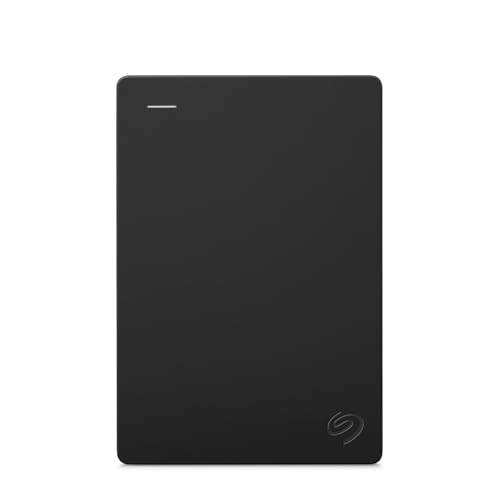
- Stores and accesses 2TB on the go
- Automatic recognition, no software required
- Drag-and-drop backup on Windows or Mac
- Includes an 18-inch USB 3.0 cable
- Plug-and-play simplicity
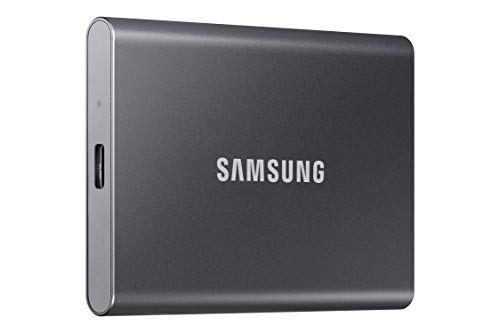
- PCIe NVMe read/write up to 1,050/1,000MB/s
- USB 3.2 Gen 2 interface
- Compact, light 0.13 lb design
- Records 4K 60fps video directly to the drive
- Works across PC and mobile

- High capacity in a small, lightweight enclosure
- Plug-and-play expandability
- SuperSpeed USB 3.2 Gen 1 at 5Gbps
- Holds photos, videos, music, and documents
Full Comparison — All 10 Hard Drive
| Image | Product | Features | Price |
|---|---|---|---|
Editor's Choice |
| Check Price on Amazon Read Full Review | |
Best Value |
| Check Price on Amazon Read Full Review | |
Premium Pick |
| Check Price on Amazon Read Full Review | |
|
| Check Price on Amazon Read Full Review | |
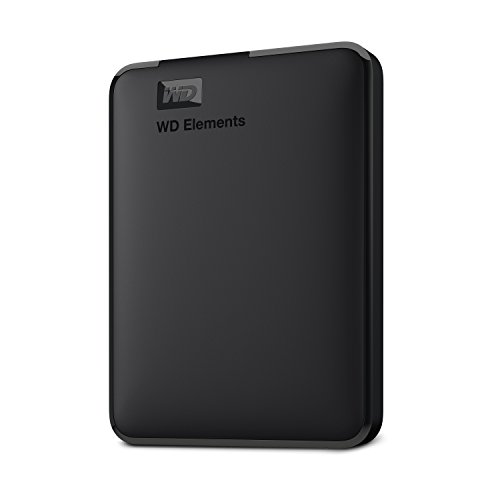 |
| Check Price on Amazon Read Full Review | |
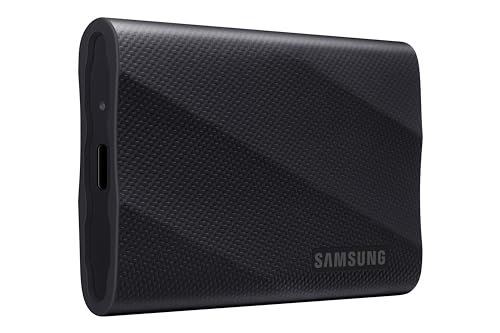 |
| Check Price on Amazon Read Full Review | |
 |
| Check Price on Amazon Read Full Review | |
|
| Check Price on Amazon Read Full Review | |
 |
| Check Price on Amazon Read Full Review | |
| 10Western Digital WD 5TB Elements Portable External Hard Drive |
| Check Price on Amazon Read Full Review |
How They Compare
Top picks — strengths at a glance
Brands compared
All 10, Reviewed
1 Seagate Portable 2TB External Hard Drive HDD — USB 3.0
This Seagate Portable 2TB drive earns the top spot by doing the simple things flawlessly. Connect it and a computer recognizes it automatically, with no software to install, then drag and drop files to back them up on Windows or Mac. An 18-inch USB 3.0 cable comes in the box, and the listing names PC, Mac, PlayStation, and Xbox among supported devices, which is why it suits the widest range of buyers.
- Stores and accesses 2TB on the go
- Automatic recognition, no software required
- Drag-and-drop backup on Windows or Mac
- Includes an 18-inch USB 3.0 cable
- Heavier than most at about 0.418878 lb
- Spinning HDD, so slower than the SSDs in this lineup
2 Samsung T7 Portable SSD
The Samsung T7 Portable SSD is the premium choice for buyers who put speed and durability first. It packs PCIe NVMe technology with read and write speeds up to 1,050/1,000MB/s over USB 3.2 Gen 2, all in a compact, lightweight design at 0.13 lb. Photographers and videographers can record 4K 60fps footage directly to the drive, with support noted for iPhone 15 Pro Res 4K at 60fps.
- PCIe NVMe read/write up to 1,050/1,000MB/s
- USB 3.2 Gen 2 interface
- Compact, light 0.13 lb design
- Records 4K 60fps video directly to the drive
- 1TB Samsung T7 and the HDDs offer more capacity per dollar
3 WD 2TB Elements Portable External Hard Drive
The WD 2TB Elements Portable lands as a sensible middle-ground pick: a compact, lightweight enclosure that scales up the family line to 6TB elsewhere. It runs on SuperSpeed USB 3.2 Gen 1 at 5Gbps and stays plug-and-play, so there is nothing to configure. For storing photos, videos, music, and important documents without fuss, it covers the basics well.
- High capacity in a small, lightweight enclosure
- Plug-and-play expandability
- SuperSpeed USB 3.2 Gen 1 at 5Gbps
- Holds photos, videos, music, and documents
- No 4K video capture or onboard encryption like some SSDs here
4 Samsung T7 Portable SSD
If the 2TB Samsung T7 is more drive than you need, this 1TB version delivers the identical engine in a lighter wallet hit. It carries the same PCIe NVMe technology rated up to 1,050/1,000MB/s over USB 3.2 Gen 2, the same 0.13 lb body, and the same ability to capture 4K 60fps video straight to the drive. The only real difference from the top SSD is capacity.
- PCIe NVMe read/write up to 1,050/1,000MB/s
- USB 3.2 Gen 2 interface
- Light 0.13 lb portable design
- Direct 4K 60fps video recording
- 1TB holds half the capacity of the 2TB T7
5 WD 6TB Elements Portable External Hard Drive
The WD 6TB Elements stakes a genuine claim as the world's first 6TB 2.5-inch portable hard drive, cramming serious capacity into a pocket-class shell at just under 0.1 lb. It keeps the Elements formula simple: plug-and-play expandability and SuperSpeed USB 3.2 Gen 1 at 5Gbps. For anyone hoarding large media libraries who still wants something portable, the sheer space is the draw.
- World's first 6TB 2.5-inch portable hard drive
- Plug-and-play expandability
- SuperSpeed USB 3.2 Gen 1 at 5Gbps
- Light 2.5-inch portable form factor
- Spinning HDD speeds, not NVMe like the SSDs here
- No onboard encryption or 4K capture features
6 Samsung T9 Portable SSD 1TB
Samsung positions the T9 Portable SSD as its fastest drive for creators, and the numbers back the framing: sequential read speeds up to 2,000MB/s over USB 3.2 Gen 2x2, the quickest figure in this comparison. A Dynamic Thermal Guard helps it hold speed under heavy use, and Magician Software keeps firmware current. It is aimed squarely at editors who push a drive hard for hours.
- Sequential reads up to 2,000MB/s
- USB 3.2 Gen 2x2 interface
- Dynamic Thermal Guard for sustained speed
- Magician Software keeps firmware up to date
- 1TB capacity may be tight for large libraries
7 Toshiba Canvio Basics 1TB Portable External Hard Drive USB
The Toshiba Canvio Basics 1TB is the value pick for good reason: it strips storage down to the essentials and asks little of you. There is no software to install and no AC power cord to manage, with USB 3.0 and USB 2.0 compatibility built in. The sleek matte shell resists smudges, and it arrives pre-formatted Ntfs for Windows, which Mac owners will want to reformat.
- Plug-and-play, no software to install
- USB 3.0 and USB 2.0 compatible
- No external AC power cord needed
- Sleek matte, smudge-resistant finish
- Pre-formatted Ntfs, so Mac users must reformat
- Lacks the NVMe speed of the SSDs in this guide
8 Seagate Portable 5TB External Hard Drive HDD
Step up to 5TB and the Seagate Portable keeps the formula that makes its smaller sibling so likable. It stores and accesses content on the go, recognizes automatically with the software required noted in its listing, and backs up by drag and drop on Windows or Mac. An 18-inch USB 3.0 cable is included. The trade-off is heft: at about 0.573202 lb, it is the weightiest drive in this group.
- Holds 5TB of content on the go
- Drag-and-drop backup on Windows or Mac
- Automatic recognition on connection
- Includes an 18-inch USB 3.0 cable
- Heaviest drive here at about 0.573202 lb
- Spinning HDD, slower than the lineup's SSDs
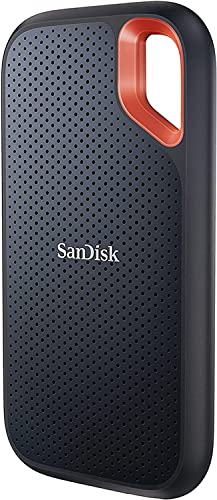
9 Sandisk 1TB Extreme Portable SSD
Built to take a beating, the Sandisk 1TB Extreme Portable SSD pairs NVMe performance up to 1050MB/s read and 1000MB/s write with serious toughness: up to 3-meter drop protection and IP65 water and dust resistance. A carabiner loop lets you clip it to a belt loop or backpack, and security comes built in through password protection with 256-bit AES hardware encryption. The SanDisk Memory Zone app handles file management.
- NVMe speeds up to 1050MB/s read, 1000MB/s write
- Up to 3-meter drop protection
- IP65 water and dust resistance
- 256-bit AES hardware encryption with password protection
- Listed as an older model
- 1TB capacity trails the larger drives here
10 Western Digital WD 5TB Elements Portable External Hard Drive
The Western Digital WD 5TB Elements keeps its pitch short: plug-and-play expandability over SuperSpeed USB 3.2 Gen 1 at 5Gbps, and that is the headline. With 5TB of room it suits buyers who simply want a lot of space without extra software or features to learn. At about 0.52 lb it is on the heavier side, a reasonable trade for the capacity in a spinning drive.
- 5TB of storage capacity
- Plug-and-play expandability
- SuperSpeed USB 3.2 Gen 1 at 5Gbps
- Heavier than most at about 0.52 lb
- Shortest spec sheet in this lineup
- No encryption or 4K capture features the SSDs offer
8 Things to Consider Before Buying Hard Drive
Start with the question that actually matters: do you need raw space or raw speed? Capacity, interface, drive type, and physical heft separate these ten drives more than brand loyalty ever will. The factors below map the trade-offs so you can match a drive to the work instead of the marketing.
Our Final Verdict
For most buyers, the Seagate Portable 2TB External Hard Drive HDD is the pick to beat, blending no-software setup, drag-and-drop backup, and broad PC, Mac, and console support. Shoppers watching every dollar should grab the Toshiba Canvio Basics 1TB Portable External Hard Drive, which delivers plug-and-play simplicity in a slim, smudge-resistant body. If speed and durability outrank price, the Samsung T7 Portable SSD is the premium choice, with PCIe NVMe internals and 4K video capture straight to the drive. There is no single best answer here, only the best fit for your workload.
Frequently Asked Questions
What is the best external hard drive overall?
The Seagate Portable 2TB External Hard Drive HDD is our top pick of the ten drives compared. It earns the spot with truly simple setup, connecting for automatic recognition with no software required, drag-and-drop backup for Windows or Mac, and an included 18-inch USB 3.0 cable. It also lists support for PC, Mac, PlayStation, and Xbox.
Should I buy an external HDD or an SSD?
Choose based on how you work. Spinning hard drives like the Seagate Portable and WD Elements drives give you more storage for less, which suits backups and large archives. Solid-state drives like the Samsung T7 and Sandisk Extreme run faster and resist drops, making them better for editing photos or 4K video on the move.
Which external drive is best for speed?
Among these, the Samsung T9 Portable SSD cites the highest figure, with sequential read speeds up to 2,000MB/s over USB 3.2 Gen 2x2. The Samsung T7 lists read and write speeds up to 1,050/1,000MB/s using PCIe NVMe technology, and the Sandisk Extreme reaches up to 1050MB/s read and 1000MB/s write. Spinning HDDs in the lineup connect at SuperSpeed USB 3.2 Gen 1 (5Gbps).
What is the cheapest reliable option here?
The Toshiba Canvio Basics 1TB Portable External Hard Drive is the budget pick. It keeps things simple with plug-and-play operation, no software to install, and USB 3.0 and USB 2.0 compatibility with no external AC power cord needed. It ships pre-formatted Ntfs for Windows, so Mac users will need to reformat.
Which drive can survive being dropped or getting wet?
The Sandisk 1TB Extreme Portable SSD is built for rough handling. It lists up to 3-meter drop protection and IP65 water and dust resistance, plus a carabiner loop to clip it to a belt loop or backpack. As a solid-state drive with no moving platters, it tolerates bumps that can damage a traditional hard drive.
Can I use these drives with a Mac and a game console?
Several can, but check the listing. The Seagate Portable 2TB names PC, Mac, PlayStation, and Xbox support and works with Windows or Mac out of the box. The WD Elements drives target Windows with USB 3.2 Gen 1/USB 3.0 for PC and Mac. Drives pre-formatted Ntfs for Windows, like the Toshiba Canvio Basics, usually need reformatting for Mac use.
Related Guides


