Mattress Topper vs Pad: Which Do You Need?
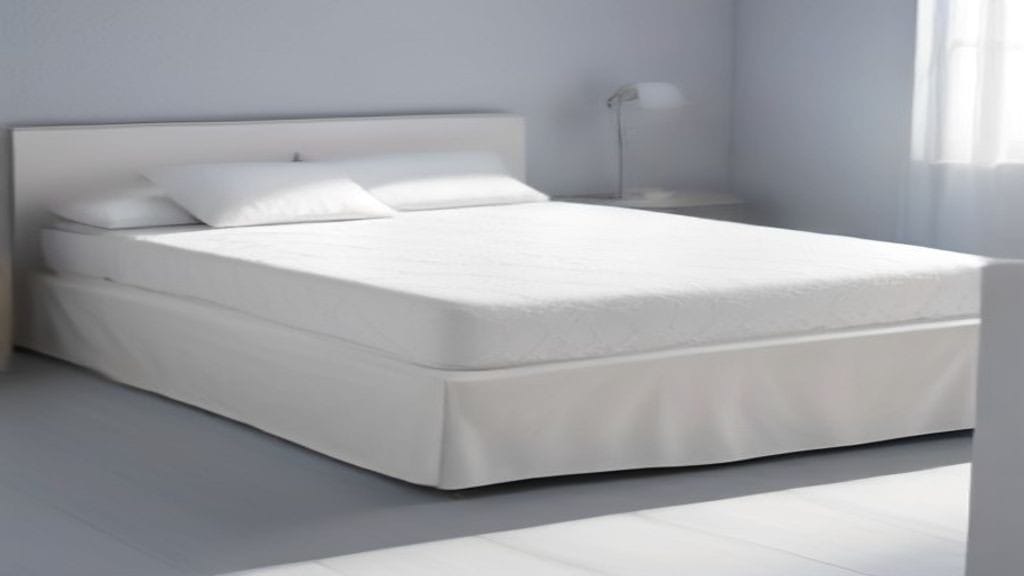
The two words get used interchangeably in shops and listings, which is how people end up buying the wrong one. They solve different problems. One changes how the bed feels. The other keeps the bed clean.
In the mattress topper versus pad decision, a topper is a thick layer, usually two to four inches, that changes the firmness and feel of the bed. A pad is a thin quilted cover, often fitted like a sheet, that protects the mattress and adds only slight softness. Buy a topper if the bed is too firm or too soft. Buy a mattress pad if the bed feels right and you want to keep it clean.
- Thickness: Usually 2 to 4 inches
- Main purpose: Changes firmness, feel and pressure relief
- Fixes a bed that is too firm: Yes, this is what it is for
- Keeps the mattress clean: No, and it needs protecting itself
- Cost: The larger purchase
- Typical lifespan: Three to five years, latex longer
- Position on the bed: Directly on the mattress
- Thickness: Usually well under an inch
- Main purpose: Protects the mattress from sweat, oils and spills
- Fixes a bed that is too firm: No, there is not enough material
- Keeps the mattress clean: Yes, and it washes with the sheets
- Cost: Inexpensive by comparison
- Typical lifespan: A few years, then cheaply replaced
- Position on the bed: Over the topper, under the fitted sheet
| Spec | Mattress topper | Mattress pad |
|---|---|---|
| Thickness | Usually 2 to 4 inches | Usually well under an inch |
| Main purpose | Changes firmness, feel and pressure relief | Protects the mattress from sweat, oils and spills |
| Fixes a bed that is too firm | Yes, this is what it is for | No, there is not enough material |
| Keeps the mattress clean | No, and it needs protecting itself | Yes, and it washes with the sheets |
| Cost | The larger purchase | Inexpensive by comparison |
| Typical lifespan | Three to five years, latex longer | A few years, then cheaply replaced |
| Position on the bed | Directly on the mattress | Over the topper, under the fitted sheet |
| Quick Facts | |
|---|---|
| Topper thickness | Usually 2 to 4 inches |
| Pad thickness | Usually well under an inch |
| Buy a topper when | The bed is too firm or too soft but structurally sound |
| Buy a pad when | The bed feels right and you want it kept clean |
| Layer order | Mattress, topper, pad or protector, fitted sheet |
| Common mistake | Expecting a pad to soften a firm bed |
| Sheet warning | A topper may require deep-pocket fitted sheets |
| Neither fixes | A mattress with a permanent sag |
Mattress topper vs pad: what each one is for
A topper alters firmness and pressure relief; a pad guards the mattress surface and adds minimal cushioning.
Shopping for a specific model? See our best mattress topper picks — 10 models compared on the specs that decide it.
Start with the job each is built to do. A mattress topper is a thick slab of material laid on top of the mattress, typically two to four inches of memory foam, latex, wool or feather. That thickness is the point, because it is enough material to sit between you and the mattress and change how the surface responds to your weight. A mattress pad is a different product wearing a similar name. It is a thin quilted layer, usually well under an inch, often with elasticated corners so it fits like a sheet. Its job is protection: it catches sweat, skin oils and spills before they reach the mattress, and it washes easily. Any softness it adds is incidental rather than the reason to buy it. Confusing the two leads to a predictable disappointment, where someone buys a pad hoping to fix a rock-hard bed and finds it changed almost nothing.
When you need a topper
Buy a topper when the bed's firmness is wrong for you but the mattress itself is still structurally sound.
The signal is waking with pressure pain rather than general discomfort. A bed that is too firm concentrates your weight on hips and shoulders, because those parts stick out furthest and the surface will not yield around them. You wake with a sore hip or a numb arm. A topper solves that by giving those points somewhere to sink while still supporting the rest of you. Firmness and back symptoms are linked in the research literature, so this is worth taking seriously rather than tolerating. The opposite case also exists. A bed that is slightly too soft can sometimes be firmed up with a dense latex topper, though this works less reliably than softening a hard bed. What a topper cannot do is fix a sagging mattress. If the mattress has a permanent dip, a topper laid over it follows the dip and wears into the same shape quickly, so you lose the topper and keep the problem.
When a pad is the right buy
Buy a pad when the bed already feels right and the goal is keeping the mattress clean and dry.
If you get up comfortable, the firmness is correct and a topper would only disturb something that works. What most beds actually need at that point is protection. You lose moisture every night, and a bare mattress absorbs it along with skin oils, which is what produces the yellowing and odour that mattresses develop over years. A pad or protector intercepts all of that and goes in the wash weekly with the sheets. There is a hygiene argument too, since dust mites are a common indoor allergen associated with bedding and a washable barrier is easier to keep clean than the mattress underneath. Pads are also the cheaper item by a wide margin, and they matter for warranty terms, since visible staining voids many mattress warranties outright. If you buy only one of the two, and the bed is comfortable, buy the pad.
Using both, in the right order
Topper first on the mattress, then a protector or pad over it, then the fitted sheet.
These are not competing purchases, and the common setup uses both. Order matters. The topper goes directly onto the mattress, since it needs to be against the surface it is modifying. The pad or protector goes over the topper, not under it. That is the part people get wrong. A protector placed beneath the topper protects a mattress that is no longer the surface absorbing your sweat, while leaving the expensive topper unprotected. Put it on top and it does its job for both. The fitted sheet goes over everything. Check depth before buying the sheet, because adding three inches of topper can defeat a standard fitted sheet's pocket, and a sheet that keeps pinging off the corners at 3am is its own problem. Deep-pocket sheets exist for exactly this reason.
Cost, lifespan and what to expect
Pads are cheap, washable and last a few years; toppers cost more and typically last three to five.
The economics differ enough to affect the decision. A pad is inexpensive, machine washable, and replaced without much thought when it wears thin. A topper is a larger purchase, cannot usually be machine washed as a whole, and typically lasts three to five years depending on material, with latex lasting longest and loose fill shortest. That difference is why a protector over a topper is good value: a cheap washable layer extending the life of the expensive one. Expect different things from each as well. A good topper changes how the bed feels on the first night, noticeably and immediately. A good pad should be almost unnoticeable, because if you can feel it you are feeling a lump rather than a benefit. Judge each against its own purpose rather than against the other.
Buy a topper if the bed's firmness is wrong for you and the mattress is otherwise sound, since only that thickness will change how the surface behaves. Buy a pad if the bed already feels right and you want to keep it clean and protected. If the budget allows one of each, put the topper on the mattress and the pad over it.
Frequently asked questions
Is a mattress pad the same as a mattress topper?
Will a mattress pad soften a firm bed?
Which goes on first if I use both?
Can a topper fix a sagging mattress?
Do I need deeper sheets if I add a topper?
Sources & references
- Effect of firmness of mattress on chronic non-specific low-back pain (The Lancet) — Kovacs et al., via PubMed / National Library of Medicine
- Dust Mite Allergy — Asthma and Allergy Foundation of America (AAFA)
- About the CertiPUR-US Certification — CertiPUR-US