How to clean a mattress topper: care by fill type
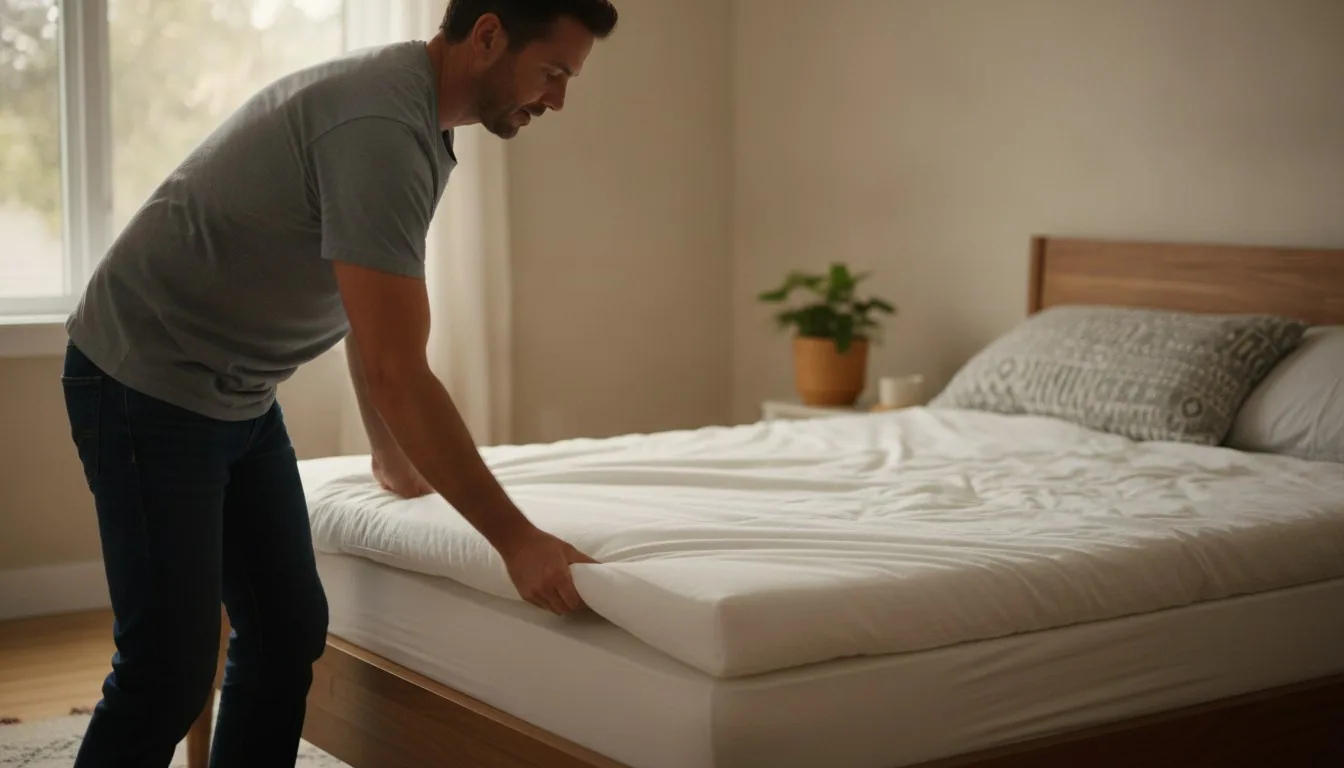
- Fill type decides everything: foam and latex toppers are spot-clean-only, while down, feather, and synthetic (down-alternative) toppers can often survive a cold, gentle machine wash when the care label allows.
- Size is the sneaky obstacle. A queen or king topper usually won't fit a standard top-loading home washer, so even a washable topper may need a large front-loader or a laundromat.
- Foam holds water like a sponge. The EPA's mold guidance flags a 24-to-48-hour window before damp material starts growing mold, and a soaked foam core can stay wet far longer than that.
- Drying is the step that actually protects the topper. The EPA advises keeping indoor humidity between 30 and 50 percent, and a topper needs to dry fully through the middle, not just at the surface.
- A washable protector over the topper cuts how often the topper itself needs deep cleaning, and the Asthma and Allergy Foundation of America recommends washing that top bedding layer weekly in hot water of at least 130°F to knock down dust mites.
Unplug the unit before any cleaning or filter work.
Strip the bed and vacuum the bare topper
Pull off the sheets and any protector, then run a vacuum upholstery attachment over both sides of the exposed topper. This lifts loose dust, hair, and skin flakes out of the surface before any moisture can turn them into a paste that's harder to remove.
Read the care label and identify the fill
Find the sewn-in tag and note both the fill and the manufacturer's wash method. Foam and latex mean spot-clean only; down, feather, or synthetic usually mean a gentle wash is allowed. If the tag is gone, the original product description is the next best guide to how to clean a mattress topper safely.
Spot-treat stains before any full wash
Blot fresh stains with a cloth, water, and a little mild detergent, pressing from the outside of the stain inward. Skip bleach, and don't scrub, since scrubbing pushes the stain and the moisture deeper into the fill instead of lifting them out.
Deodorize with baking soda
Sprinkle baking soda over the topper, let it sit for several hours to pull odor and light surface moisture out, then vacuum it off completely. This refreshes a topper that doesn't need a full wash and is safe to use on foam, which can't take a soak.
Machine-wash only if the fill and size both allow
For a down or synthetic topper the label clears, use a cold, gentle cycle with mild detergent in a front-loader or oversized machine. If a queen or king topper won't fit without cramming, take it to a laundromat rather than force it into a home drum and risk torn seams.
Dry it fully, checking the center
Air-dry foam flat with a fan and flip it partway through; tumble-dry down and synthetic toppers on low heat with dryer balls across more than one cycle. Before the bed is remade, press the middle to confirm the topper is dry all the way through, not just on top.
| Quick Facts | |
|---|---|
| Dust mite kill temperature (AAFA) | hot water at least 130°F (54°C), bedding washed weekly |
| Realistic home water heater ceiling (safety) | commonly kept below 120°F for scald safety, per a practice parameter in Annals of Allergy, Asthma & Immunology |
| Mold risk window if left damp (EPA) | 24 to 48 hours before wet material is prone to mold growth |
| Indoor humidity target to slow mold and dust mites (EPA) | between 30% and 50% relative humidity |
| Upper indoor humidity limit (EPA) | keep below 60% relative humidity |
How to clean a mattress topper by fill type
The safe way to clean a mattress topper is decided by its fill: foam and latex cores get spot-cleaned only, while down, feather, and synthetic fills can usually handle a gentle machine wash when the label agrees.
Shopping for a specific model? See the best mattress topper we tested — 10 models compared on the specs that decide it.
The sewn-in care label is the first thing to find, and it settles more than people expect. Manufacturers test a specific fill against a specific cover, so their instructions beat any general rule you'll read, including this one. Read it before water gets anywhere near the topper.
From there, fill sorts toppers into rough camps. Memory foam and latex are the strict ones. The core is not washable, full stop, because the open-cell structure that lets foam contour also lets it hold water. Down, feather, and featherbed toppers behave more like the bedding around them and often tolerate a cold, gentle machine cycle. Down-alternative and polyester microfiber toppers, the synthetic fills, tend to be the most washable of the bunch and the least fussy about it. Wool and cotton toppers land in between and lean hard on their labels, since some are hand-wash or dry-clean only. If you're still sorting out which fill you own or want, our mattress topper hub lays out how the categories differ before cleaning ever enters the picture.
Can mattress toppers be washed in a washing machine?
Some can, some can't. Whether a mattress topper goes in the washing machine comes down to two things: whether the fill tolerates submersion, and whether the topper physically fits the drum without cramming.
Two questions decide it. The first is the fill, covered above: synthetic and down toppers are usually machine-safe, foam and latex are not. The second question trips people up more, and it's purely physical. A twin topper often fits a home machine, but a queen or king topper is bulky, and forcing an oversized one into a standard top-loader with a center agitator can tear seams and leave the fill packed unevenly. A front-loading machine without an agitator handles a large topper better, and when the topper is simply too big for any home unit, a laundromat's oversized machines are the honest answer.
When a wash is on, keep the cycle cold and gentle with a mild detergent, skipping bleach and fabric softener since both break down fill and coatings over time. Cramming a too-big topper in to save a trip usually costs more than it saves, either in a strained machine or a lumpy topper afterward. So can mattress toppers be washed at home? Often yes, but the label and the drum size both have to agree first, and one without the other is how a good topper gets ruined.
Why foam toppers should be spot-cleaned, not soaked
A foam or latex topper traps water deep in its core and releases it slowly, so soaking one risks mold growing inside long after the surface feels dry. Clean foam with a barely damp cloth and let it air out fully.
Foam looks dense and solid, but it drinks water like a sponge and gives it back grudgingly. Run a memory foam topper under a tap and the middle can stay wet for days, well past the 24-to-48-hour window the EPA identifies before damp material indoors starts growing mold. The trouble is that the surface dries first and feels reassuring while the core stays soaked, so the mold often takes hold unseen, announced later by a musty smell that means it's already established.
Spot-cleaning sidesteps the whole risk. Blot a stain with a cloth dampened with water and a little mild detergent, working from the edge inward so you don't spread it, and press rather than scrub so you're not driving moisture deeper into the foam. A paste of baking soda and water lifts many stains and does double duty as a deodorizer once it dries and gets vacuumed off. Let the spot air-dry completely before the sheet goes back on. For the specifics of living with a foam topper day to day, our foam mattress topper guide covers what that fill does and doesn't handle well.
Drying a mattress topper all the way through
A topper isn't clean until it's dry to the core, since moisture trapped in the fill is what turns a wash into a mold problem days later. Dry it flat, in moving air, and check the center before it goes back on the bed.
Drying is where most topper cleaning goes wrong, because it's slow and boring and the surface lies. For down and synthetic toppers that a label clears for the dryer, low heat with a couple of clean dryer balls keeps the fill from matting, and it usually takes more than one cycle with hand-fluffing in between. Foam never goes in a dryer at all. The heat degrades the material, so foam air-dries flat in a well-ventilated spot, ideally with a fan moving air across both sides and the topper flipped partway through.
Humidity works against you here. The EPA suggests keeping indoor air between 30 and 50 percent relative humidity, and a damp topper in a stuffy room dries painfully slowly, which is exactly the condition mold likes. Press down on the middle of the topper to check for coolness or dampness before reassembling the bed, since a topper can feel dry across the top while holding water an inch down. That patience on the back end, more than any trick on the wash end, is what keeps how to clean a mattress topper from backfiring into a bigger mess than the one you started with.
How often to wash a mattress topper, and what a protector saves
Deep-clean a mattress topper every three to six months and treat spills the moment they happen, but a washable protector over the top handles most of the grime so the topper itself needs far fewer full washes.
There's no single schedule, since how often you should wash a mattress topper depends on the sleeper. A cool, dry sleeper who uses a protector might deep-clean the topper twice a year. A hot sleeper, a household with pets on the bed, or anyone recovering from illness will want to clean more often, and any spill or accident should be treated right away rather than left to soak in. Vacuuming the bare topper every month or so pulls off dust and shed skin before it works into the fill, a small habit that stretches the time between real washes.
The better move is to stop most of the mess from reaching the topper at all. A zippered protector or a washable cover takes the sweat, oil, and spills, and it launders far more easily than the topper underneath. The Asthma and Allergy Foundation of America recommends washing that kind of top bedding layer weekly in hot water of at least 130°F to cut down dust mites, and a peer-reviewed practice parameter in Annals of Allergy, Asthma & Immunology adds a practical caveat: most home water heaters are kept below 120°F for scald safety, and washing weekly at that safer temperature still reduces mite allergen even without hitting 130°F. If your current topper is past reviving, sagging or shedding no matter how you clean it, our mattress topper buying guide walks through which fills hold up better over time.
Frequently asked questions
Can mattress toppers be washed?
Can you put a memory foam mattress topper in the washing machine?
How often should you wash a mattress topper?
Will my queen or king mattress topper fit in the washing machine?
How do you get sweat stains or odor out of a mattress topper?
Why does my mattress topper smell musty after cleaning?
Sources & references
- A Brief Guide to Mold, Moisture and Your Home — US Environmental Protection Agency (EPA)
- Dust Mite Allergy: How to Identify and Treat — Asthma and Allergy Foundation of America (AAFA)
- Environmental assessment and exposure control of dust mites: a practice parameter — Annals of Allergy, Asthma & Immunology (Joint Task Force on Practice Parameters)